Find an audiologist
An independent audiologist, near you
Enter your postcode when you book and we'll match you with the nearest registered specialist in our network, in clinic or at home.
Book by postcode
What you'll find on this page
Try it yourself
A free, two-minute online hearing test right here on this page, no appointment needed to get a first read.
Interactive tools
Compare NHS vs private care and see how we stack up against the high street, side by side.
Honest guidance
Real statistics and published pricing, deciding on your hearing shouldn’t require guesswork.

Why it matters
The care gap is real
Hearing loss develops so gradually that most people put off doing anything about it for years, often without realising quite how much they've adjusted around it in the meantime. The figures below, from the UK's leading hearing loss charity, show just how wide that gap between noticing and acting really is.
Closing the gap starts with a free, two-minute check →18 million
UK adults are deaf, have hearing loss, or experience tinnitus.
Independently rated
Independent providers rated best by consumers
In Which?'s 2025 hearing aid provider survey, based on responses from 1,637 to 3,609 people who'd bought hearing aids privately in the last five years, independent local providers came out on top, beating big high-street names like Specsavers, Boots Hearingcare and Hidden Hearing. Independent retailers were rated highest by consumers, with an 86% satisfaction score.
Not sure where to start?
Signs you might benefit from a hearing test
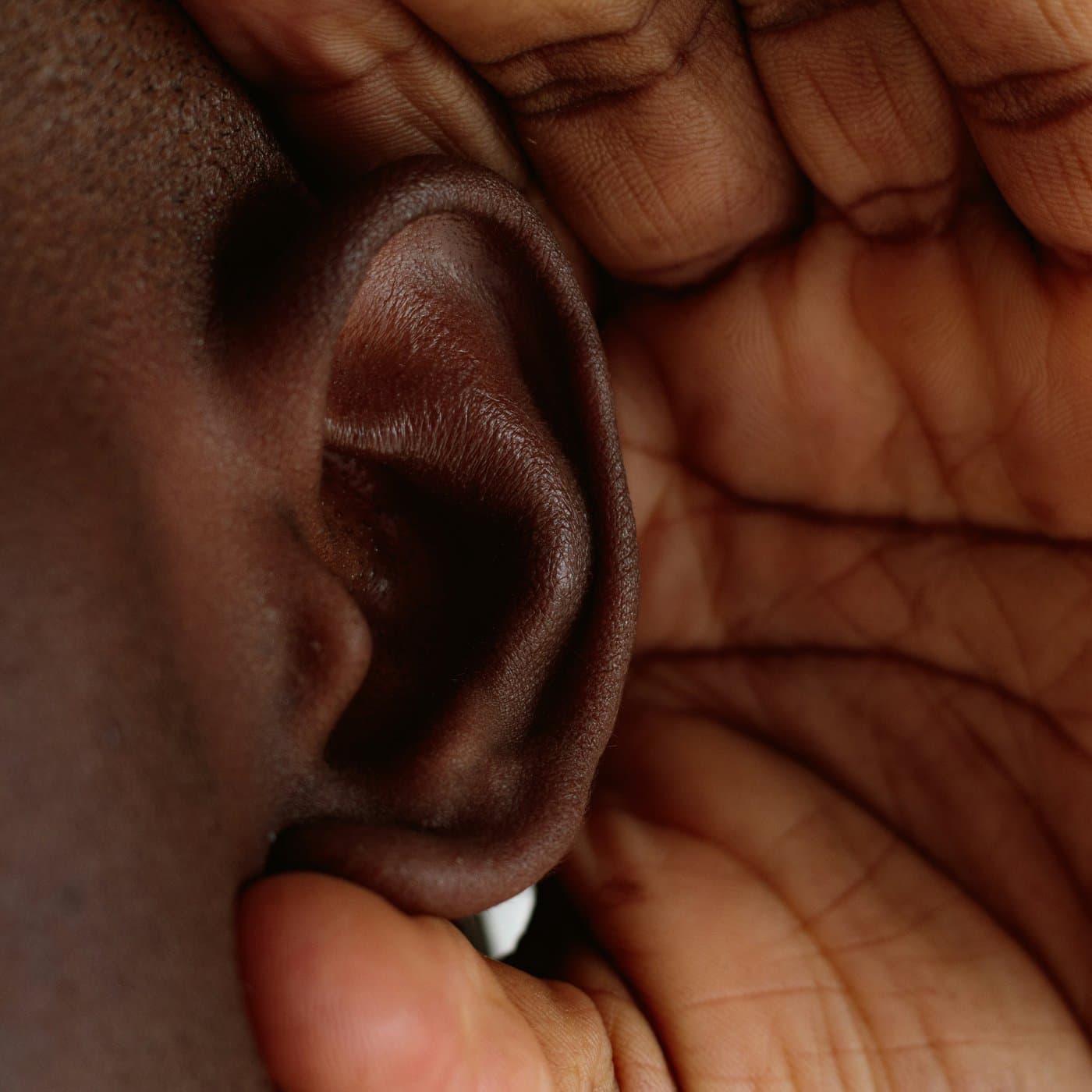
Hearing loss is usually so gradual that it's hard to notice in yourself, it's often a partner, friend or family member who spots it first. A few of the most common early signs:
- Asking people to repeat themselves, especially in conversation with more than one other person
- Turning the TV or radio up louder than other people in the room want it
- Struggling to follow conversations in restaurants, cafés or family gatherings with background noise
- Finding that people seem to "mumble" more than they used to
- Missing the phone ringing, the doorbell, or parts of phone calls
- Feeling more tired than usual after socialising, from the effort of following conversation
Living with hearing loss
Untreated hearing loss affects more than hearing
Straining to follow conversation is genuinely tiring, many people find themselves withdrawing from social situations, family gatherings or group conversations simply because keeping up takes so much more effort than it used to. That effort adds up, and it's one of the most common reasons people put off getting help for far longer than they should.
Hearing loss and tinnitus, a ringing, buzzing or hissing sound with no external source, often go hand in hand. If tinnitus is something you experience, our dedicated tinnitus page covers common causes, what to expect, and how it's managed.
Learn more about tinnitusHow we compare to the high street
An honest look at how Soundwell's independent network compares to two of the biggest high-street hearing aid providers.
| Specsavers | Audika | Soundwell | |
|---|---|---|---|
| Price range (per pair) | £500 – £3,500 | Not published, priced in clinic | £495 – £1,945+ |
| Money-back trial | 100 days | 60 days | Varies by audiologist, ask when booking |
| Warranty | 4 years | 2 years (up to 5 with optional cover) | 2–5 years, depending on package |
| Aftercare | Ongoing adjustments, 4 years of batteries included | Free lifetime aftercare, 3 years of batteries | Free lifetime aftercare on every package |
| Prices published upfront | |||
| Independent, no manufacturer ties |
Figures shown are publicly published terms as of 2026 and can change, always confirm current pricing and guarantees directly with the provider. Soundwell terms vary by individual audiologist since we're a network of independent practices, not a single chain.
Every audiologist is HCPC-registered
We verify registration before anyone joins our network. Read more about what that means on our HCPC Registration page, or get in touch if you have a question first.
Book an appointmentNot sure if you need to book?
Try our free online hearing test, about three minutes, no appointment needed.
Online hearing test
A short, sound-based hearing test, takes about 3 minutes. Plays a series of tones and asks you to slide the volume up until you can just hear each one.
This is not a professional hearing test. It isn't conducted under clinical conditions or with calibrated audiometric equipment, and it can't diagnose hearing loss, think of it as a quick, honest indicator, not a substitute for a full assessment.
Prefer not to use sound right now? Try our quick text-based check instead.
Where we cover
Our network spans England, Scotland and Wales. Enter your postcode when booking to confirm coverage in your specific area.
In-clinic appointments
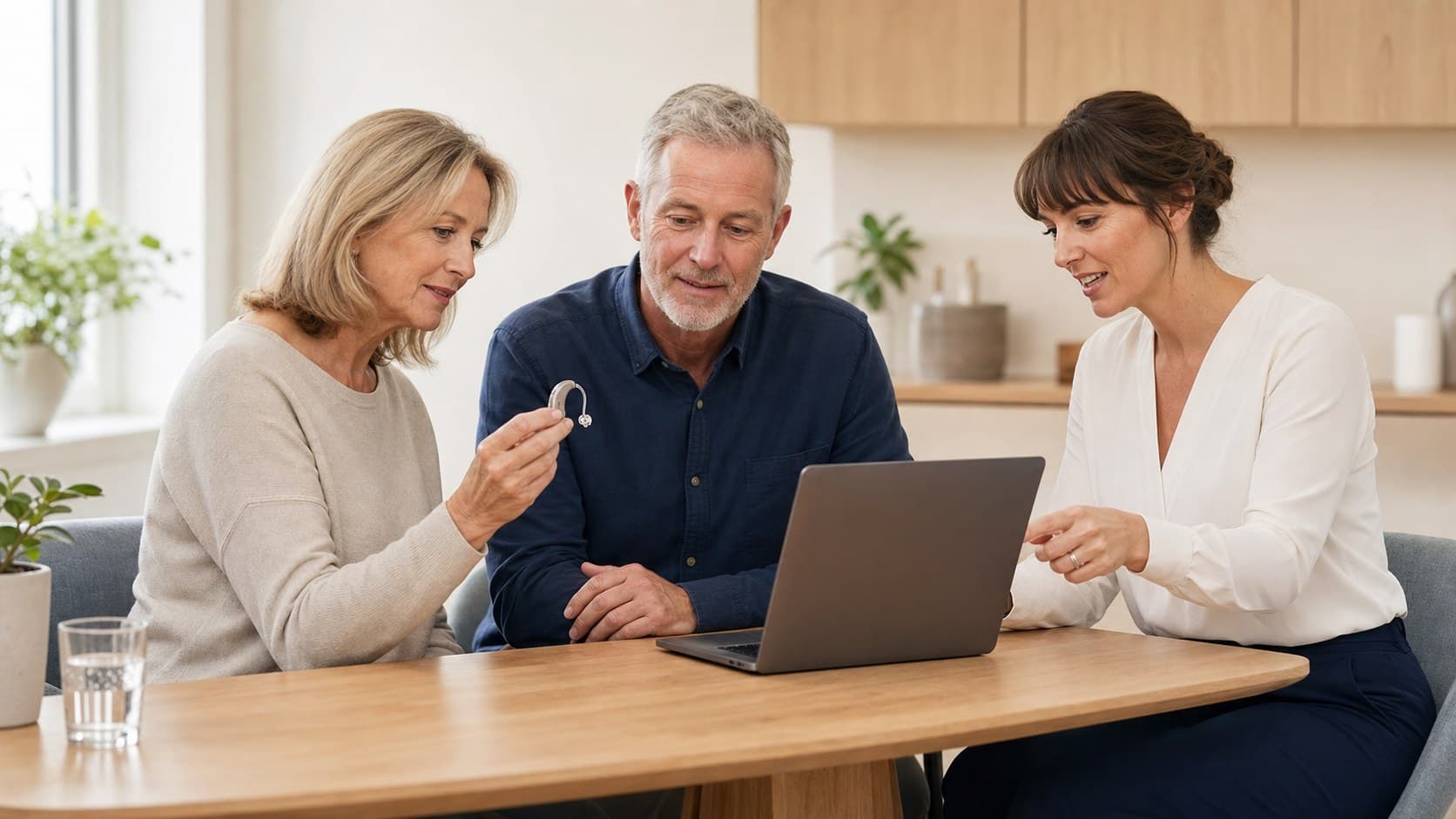
Visit a network audiologist at their local clinic for a hearing test, hearing aid fitting, or earwax removal.
Home visits
Can't travel? Many network audiologists also offer home visits, see our Home Visits page for details.
London & South East
Clinics in most major towns, plus home visits across the region
Midlands
Clinic and home visit coverage across Birmingham, Nottingham, Leicester and surrounding areas
North of England
Manchester, Leeds, Liverpool, Newcastle and wider coverage
Scotland
Edinburgh, Glasgow and central belt coverage, with home visits further afield
Wales
Cardiff, Swansea and valleys coverage
Questions people regularly ask
Honest answers, no sales pitch. If you're still unsure, a free hearing test will give you a proper answer either way.
Are your hearing tests really free?
Hearing tests are free for over-18s, and there's never any obligation to buy, you'll get an honest result either way.
Is Soundwell itself free to use?
Soundwell is completely free to use. We may receive a referral fee from the audiology practice if you proceed with a hearing device, but you will never be charged by Soundwell.
Who are Soundwell's audiologists?
Every audiologist in our network is independently practising and fully regulated. We have no ties to any hearing aid manufacturer, so recommendations are based on what suits you, not sales targets. Read more about who we are.
Do I actually need hearing aids?
Only a hearing test can say for sure. If you’re often asking people to repeat themselves or turning the TV up louder than others prefer, it’s worth getting checked.
Am I too young?
Hearing loss isn’t just an older person’s condition, noise exposure, illness and genetics affect people of every age. If a test shows a loss, hearing aids can help regardless of how old you are.
Will people notice?
Modern hearing aids are small, and many sit almost entirely inside the ear canal. Most people are far more likely to notice you asking them to repeat themselves than a discreet hearing aid.
Can hearing loss cause dementia?
Untreated hearing loss doesn’t cause dementia directly, but it is linked to a higher risk of cognitive decline. Treating hearing loss early is one of the few modifiable factors research suggests may help protect long-term brain health.
Can I still get NHS hearing aids?
Yes, NHS hearing aids can sometimes be available via GP referral for many types of hearing loss. They’re a solid option, though styles and follow-up support are more limited than private care.
Higher-priced hearing aids generally handle background noise better, adjust more automatically and are smaller. For mild hearing loss in mostly quiet environments, a simpler aid may work just as well.
Tap the question to see a visual comparison.
Is private worth it?
It depends on your lifestyle, private care offers more choice, faster appointments and a wider range of styles. For straightforward hearing loss on a limited budget, NHS provision may suit you just as well.
Which hearing aid is best for restaurants?
Aids with directional microphones and noise reduction, usually mid-to-premium models, tend to perform best in busy, noisy settings like restaurants. An audiologist can confirm which models suit your specific hearing loss.
Which one is best for TV?
Most modern hearing aids connect directly to your TV via Bluetooth or a streamer, sending sound straight to your ears at a clear volume. This works well for most types of age-related hearing loss.